Working Groups
We stand at the beginning of the post-industrial revolution.
Technological advancement is accelerating. We have moved from an economy based on centralized mass production to an economy characterized by decentralization, global connectivity, AI, and abundant computational resources. AI is a meta-technology, accelerating the development of all technologies, including AI itself.
Decentralization and rapid progress in AI are leading to a fundamental restructuring of work, firms, industries, and whole economies. AI Agents will not merely improve our productivity; they will facilitate collaboration and orchestration of work. Our economic landscape will include autonomous organizations, managed by AI Agents.
AI is accelerating progress in education, arts, and the sciences. Manufacturing is already expanding into space. Humanoid robots are no longer science fiction. Autonomous vehicles are in production, and their use is expanding. AI is accelerating software development, drug discovery, and chip design. Advances in quantum computing, material science, and nuclear energy have gone from research to commercialization. Research into aging and longevity is advancing rapidly.
There is a tremendous opportunity to build the organizations and industries of the future. However, the transition leaders now face is a messy, complex, and unprecedented process that affects every aspect of how they work, lead, innovate, and collaborate. The Post-Industrial Forum exists to help leaders navigate this transition together.
Forum members can participate in multiple Working Groups that address distinct aspects of this opportunity. The Working Groups will convene online and in person to pursue defined learning goals. Goals and priorities will evolve to accommodate the needs of the participating members. Member insights may be published externally and in the Post-Industrial Journal, presented at Forum events, or the annual Post-Industrial Summit.
The five working groups
 Active
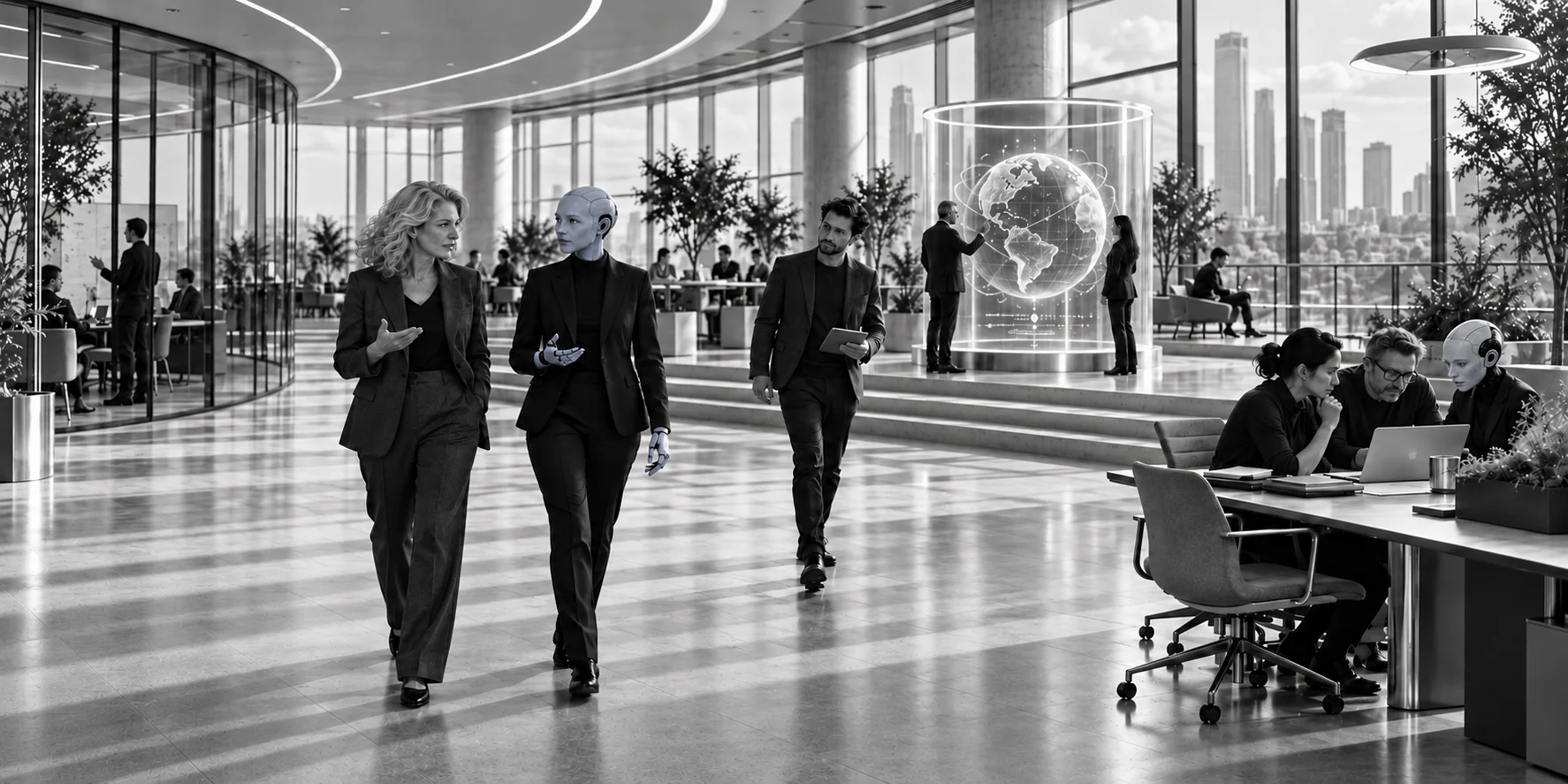
WG1 - Leadership and Human Development
Leadership in a time of accelerating uncertainty, complexity, and ambiguity is one of the great challenges in society today.
 Active
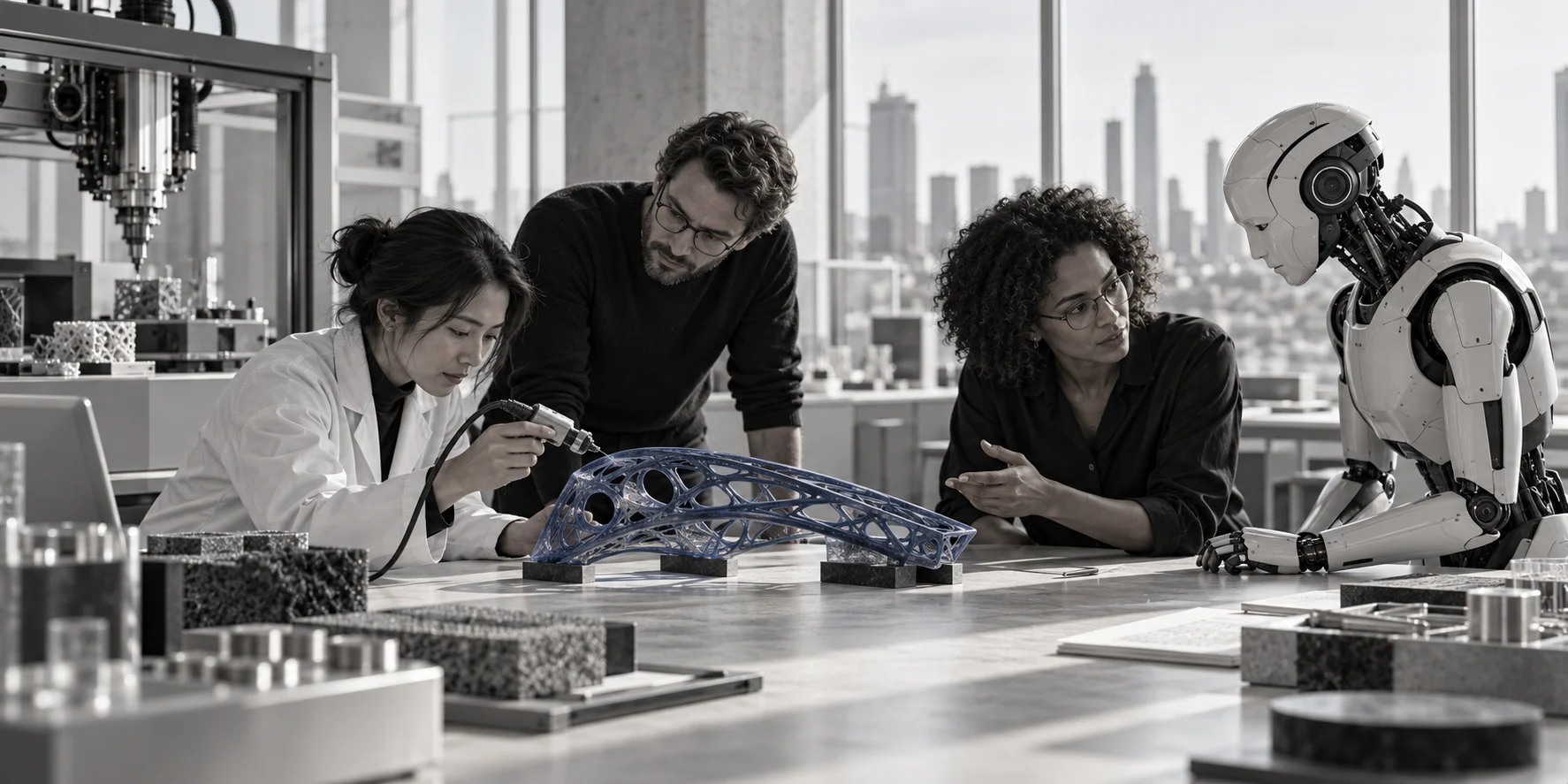
WG2 - The Future of Organizations
The industrial era left us with a dominant organizational model: hierarchical, long-lived firms built around centralized management of people and resources.
 Active
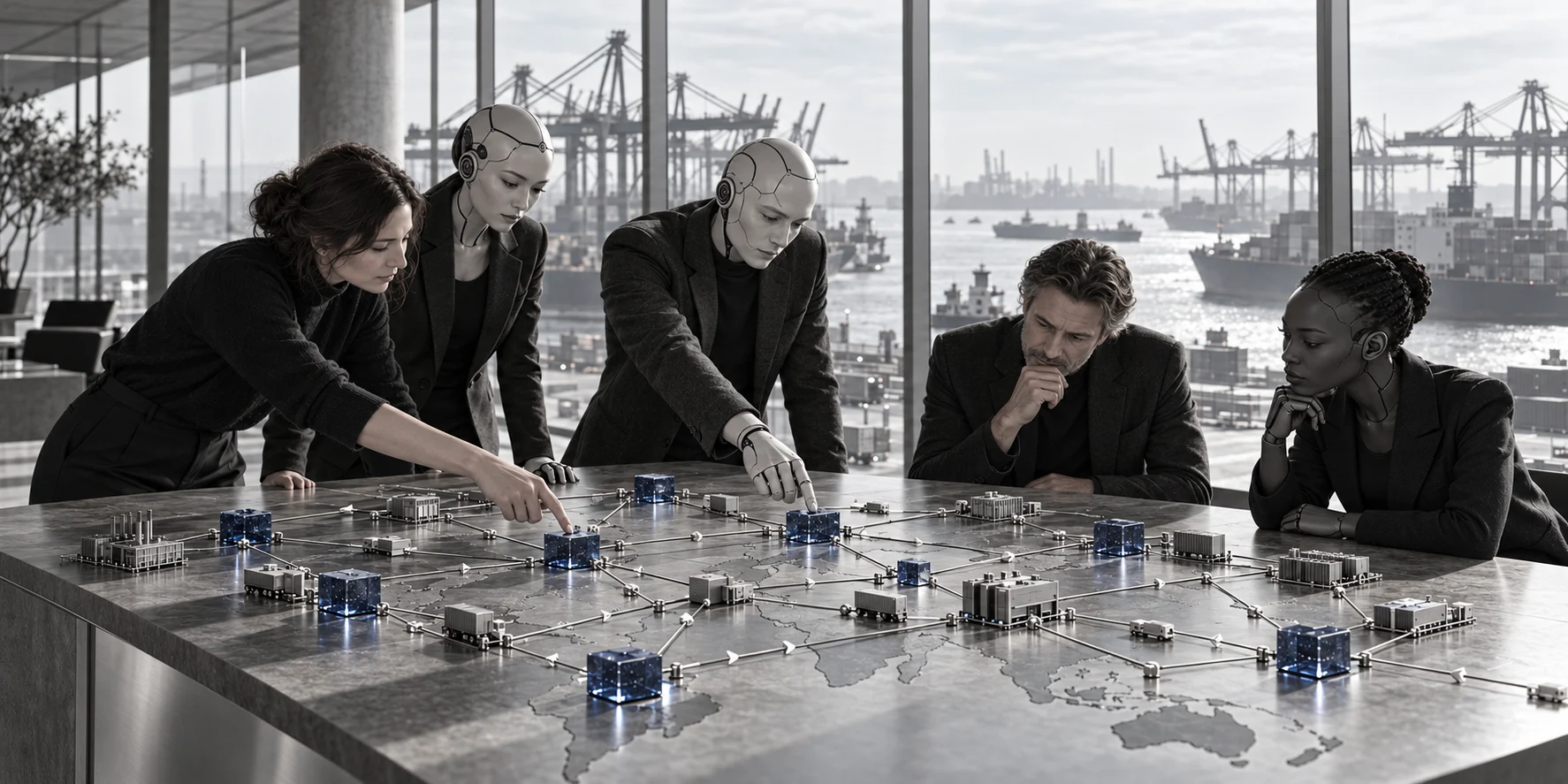
WG3 - Innovation and R&D
AI is accelerating progress in science and engineering at an unprecedented rate.
 Coming soon
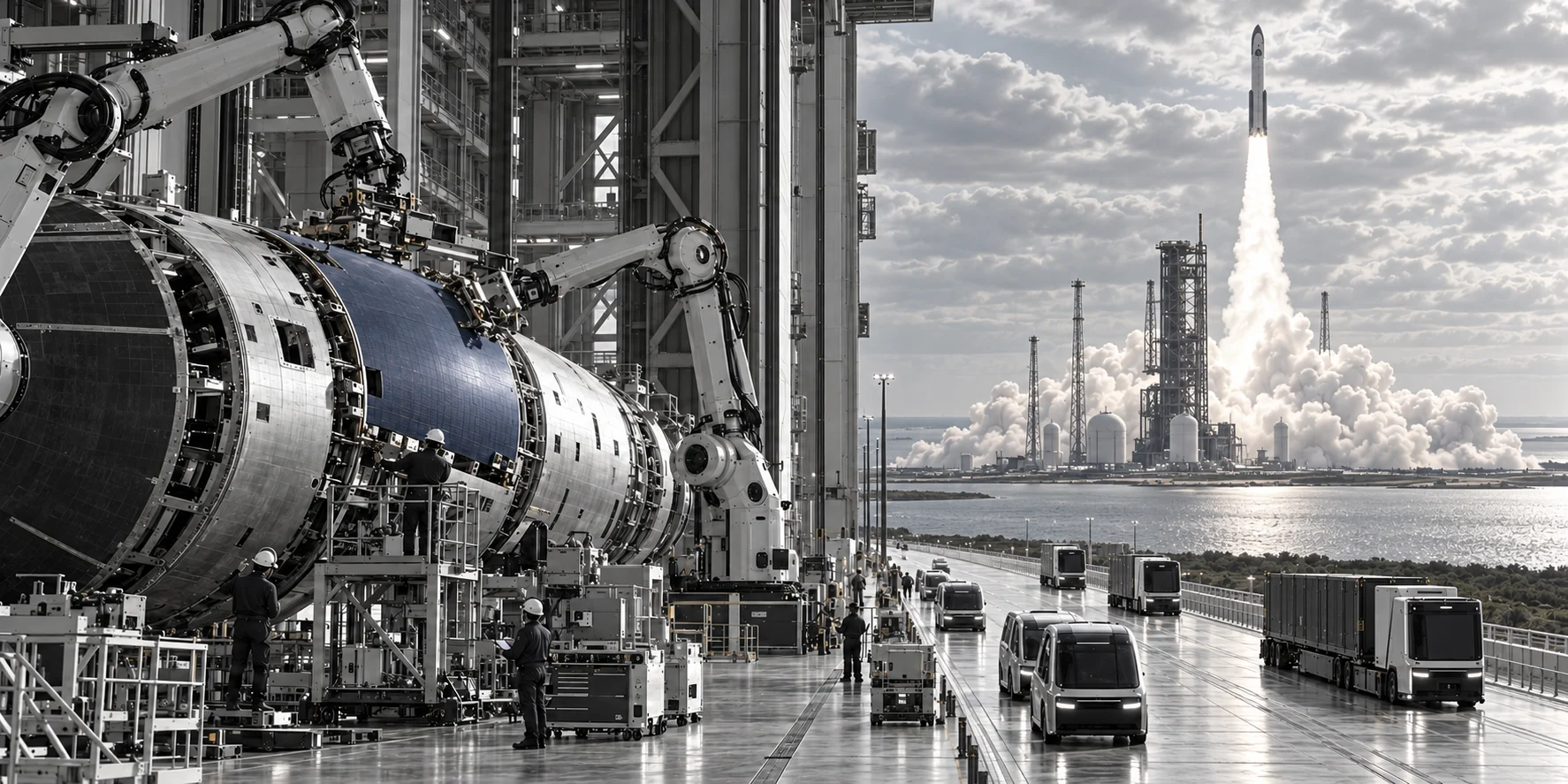
WG4 - The Global Agent Economy
AI agents will increasingly coordinate economic activity among humans, firms, and other AI agents.
 Coming soon
WG5 - Industries of the Future
As AI accelerates product development and orchestration, new technology architectures are emerging that reshape supply chains and redefine the boundaries of industries.